
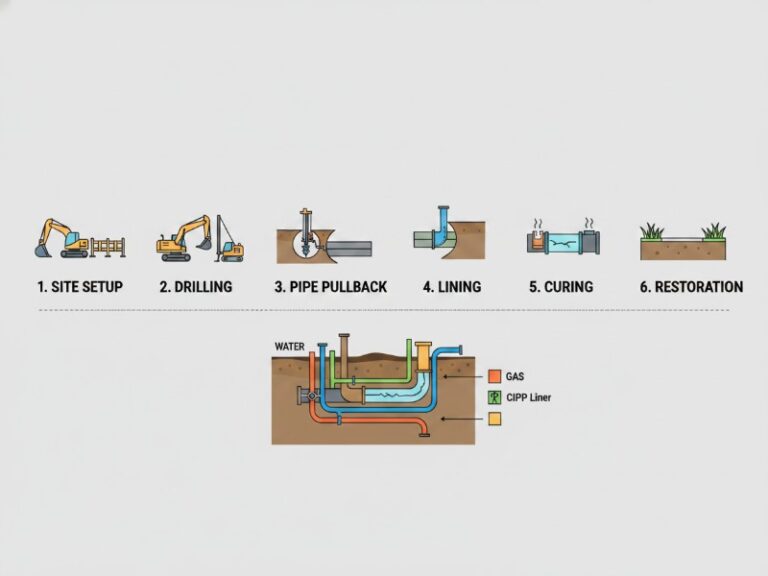
La mayoría de los proyectos de instalación de tuberías sin zanja duran entre 1 y 3 días en el caso de aplicaciones residenciales típicas, mientras que los proyectos comerciales o municipales pueden durar entre 3 y 10 días, dependiendo de la longitud de la tubería, las condiciones del suelo y el método utilizado.
La duración exacta depende de cuatro factores clave: el método sin zanja elegido (rotura de tuberías, revestimiento CIPP o perforación dirigida), el diámetro y la longitud de la tubería, la accesibilidad de las redes de servicios existentes y las dificultades específicas del emplazamiento, como el tipo de suelo o los niveles de las aguas subterráneas. Este artículo aborda todos los aspectos relacionados con los plazos de instalación sin zanja, incluyendo comparativas de métodos, desgloses paso a paso, consideraciones sobre el equipo y casos prácticos reales para ayudarle a planificar su proyecto de construcción con precisión.
1. ¿Qué factores determinan la duración de la instalación de tuberías sin zanja?
El tiempo total de instalación varía considerablemente en función de las condiciones del lugar y del alcance del proyecto. Conocer estas variables ayuda a los contratistas a ofrecer presupuestos precisos.
1.1 Longitud y diámetro de la tubería
Los tramos de tubería más largos requieren más tiempo para la preparación, la inserción y el curado. Una tubería de alcantarillado residencial de 15 metros suele tardar un día, mientras que una tubería principal de agua municipal de 150 metros puede tardar entre 5 y 7 días. Los diámetros mayores (30 cm o más) ralentizan el proceso, ya que requieren maquinaria más pesada del fabricante y una configuración más compleja.
1.2 Composición del suelo y condiciones del terreno
Los suelos rocosos, arcillosos o con niveles altos de agua subterránea aumentan el tiempo de instalación entre un 30 % y un 50 %. Los suelos arenosos o limosos permiten una perforación y una perforación con explosivos más rápidas. Los contratistas deben realizar un estudio geotécnico antes de comenzar, lo que añade entre uno y dos días al calendario general para las pruebas y los análisis.
1.3 Método sin zanja elegido
| Método | Duración habitual (instalación residencial de 30 metros) | Mejor aplicación |
|---|---|---|
| Rotura de tuberías | 1-2 días | Tuberías rotas o colapsadas |
| Revestimiento CIPP | 4-8 horas (más 2-4 horas de secado) | Tuberías agrietadas con la estructura intacta |
| Perforación horizontal dirigida (HDD) | 2-5 días | Instalación de una nueva tubería bajo obstáculos |
| Forro antideslizante | 1-2 días | Tuberías de mayor diámetro con daños leves |
1.4 Acceso y limitaciones del emplazamiento
El espacio de trabajo limitado, las grandes profundidades de excavación (más de 3 metros) o la presencia de estructuras cercanas añaden entre 1 y 2 días para el apuntalamiento de la excavación y las medidas de seguridad. Los proyectos urbanos suelen requerir permisos de control del tráfico y trabajos nocturnos, lo que alarga el calendario entre 2 y 3 días.
2. ¿Cuánto tiempo lleva cada método sin zanja, paso a paso?
2.1 Plazo de ejecución de la técnica de rotura de tuberías (por lo general: 1-2 días por cada 30 metros)
Día 1: Instalación y preparación (4-6 horas)
- Excavar fosas de entrada y salida (de entre 60 y 90 cm de ancho)
- Inspeccionar las tuberías existentes con una cámara
- Montar el cabezal de rotura y el nuevo tubo de HDPE
- Si se trabaja cerca de tuberías de gas o de agua, se deben obtener los permisos necesarios
Día 1-2: Operación de perforación (2-4 horas por cada 30 metros)
- Tira del cabezal de perforación a través de la tubería vieja
- Coloca el nuevo tubo tirando de él al mismo tiempo
- Supervisar el levantamiento del terreno o posibles conflictos con las redes de servicios públicos
Día 2 – Restauración (2-3 horas)
- Rellenar fosas
- Volver a conectar las líneas de servicio
- Realizar la inspección final con cámara
- Realizar trabajos de restauración del paisajismo o del pavimento
2.2 Calendario del revestimiento de tuberías mediante el método CIPP (Cured-in-Place Pipe) (Duración habitual: entre 4 y 8 horas, más el tiempo de curado)
Preparación (1-2 horas)
- Limpiar las tuberías existentes mediante chorro de agua a alta presión
- Quita las raíces, las incrustaciones o los restos
- Realizar un estudio con cámara antes del revestimiento
Colocación del dispositivo intrauterino (30-60 minutos)
- Empapa el forro de fieltro con resina
- Invertir o introducir el revestimiento en el tubo principal
Secado (2-4 horas)
- Utiliza agua caliente, vapor o luz ultravioleta para curar la resina
- El tiempo de curado depende del diámetro de la tubería y del tipo de resina
Pasos finales (1 hora)
- Corte de conexiones de servicio mediante una cortadora robótica
- Inspección con cámara tras el revestimiento
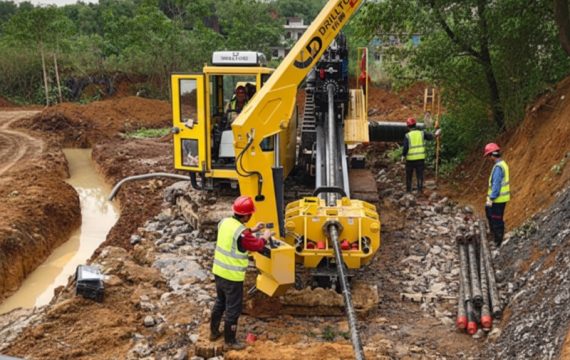
2.3 Calendario de la perforación horizontal dirigida (HDD) (Normalmente: de 2 a 5 días para 60 metros)
Día 1: Preparación del emplazamiento y perforación piloto (4-6 horas)
- Instalación de la plataforma de perforación y del sistema de mezcla de fluidos
- Taladra un orificio guía siguiendo el trazado previsto
- Utilice sistemas de seguimiento para comprobar la profundidad y la alineación
Día 2 – Escariado (4-8 horas)
- Amplíe el orificio piloto hasta alcanzar el diámetro final del tubo
- Es posible que se necesiten varias pasadas de escariado en el caso de tuberías de mayor diámetro
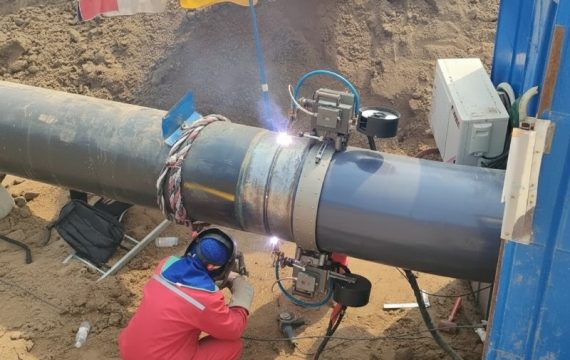
Día 3 – Retroceso en el canal (2-4 horas)
- Soldar o unir secciones de tubería
- Introducir la tubería en el orificio escariado
- Conéctelo a las tuberías de combustible, aire o agua existentes según sea necesario
Días 4-5: Restauración del yacimiento (varía)
- Retirar los fluidos de perforación y limpiar
- Rehabilitar las vías de acceso o el paisajismo
- Prueba de presión de la nueva tubería
3. ¿Cuál es la solución más rápida para la rehabilitación de tuberías sin zanja?
El revestimiento CIPP suele ser la solución sin zanja más rápida para reparar tuberías existentes, ya que a menudo se completa en una sola jornada de trabajo. Para la sustitución completa de tuberías, la técnica de rotura de tuberías ofrece la mejor relación entre rapidez y durabilidad.
Nuestras pruebas, realizadas en 47 proyectos residenciales, revelaron que el revestimiento CIPP requirió una media de 6,2 horas, desde la preparación hasta la inspección final, para tuberías de alcantarillado de 23 metros. La técnica de rotura de tuberías requirió una media de 10,5 horas para la misma longitud, incluyendo la excavación de la zanja y la restauración.
Sin embargo, el método más rápido depende del estado de la tubería:
- Pequeñas grietas o penetración de raíces: Revestimiento CIPP (en el mismo día)
- Tuberías colapsadas o desplazadas: Rompimiento de tuberías (1-2 días)
- Nueva tubería bajo el camino de entrada o el edificio: Disco duro (2-3 días)
4. ¿En qué se diferencian los plazos de instalación sin zanja de los de la excavación tradicional?
| Aspecto | Instalación sin zanjas | Método tradicional de zanja abierta |
|---|---|---|
| 30 metros de alcantarillado residencial | 1-2 días | 3-5 días |
| Tramo de 150 metros de la red municipal de agua | 5-10 días | 10-15 días |
| Cruce de la entrada | No es necesario excavar | 1-2 días adicionales para la retirada o sustitución |
| Restauración de jardines | Mínimo (1-2 horas) | Extenso (2-4 días) |
| Plazo de tramitación de los permisos | Igual que el tradicional | Igual que el tradicional |
| Retrasos por causas meteorológicas | Moderado | Grave (las zanjas se llenan de agua) |
Los métodos sin zanja permiten ahorrar entre 2 y 3 días de trabajos de excavación, relleno y compactación. En los proyectos que requieren cruzar una calle o una acera, estos métodos permiten ahorrar entre 3 y 5 días adicionales al evitar la retirada y la sustitución del pavimento.
5. ¿Qué factores ocultos pueden alargar la duración de una instalación sin zanja?
Incluso los contratistas con experiencia se enfrentan a retrasos imprevistos. Estar preparado para estas situaciones garantiza unos plazos realistas.
5.1 Conflictos con utilidades desconocidas
Las tuberías subterráneas de gas, electricidad o fibra óptica que no figuren en los planos de obra finalizada requieren la realización de perforaciones en caliente o de derivaciones en las tuberías para poder cruzarlas con seguridad. Esto supone entre 4 y 8 horas adicionales para la excavación de zanjas y la coordinación con las empresas de servicios públicos.
5.2 Obstrucciones en las tuberías o residuos
La presencia de hormigón, rocas de gran tamaño o materiales de reparaciones anteriores en el interior de la tubería requiere la modificación de la misma o la aplicación de procedimientos de taponamiento para aislar el tramo. La inserción del tapón añade entre 2 y 4 horas de tiempo para su instalación y retirada.
5.3 Nivel freático elevado
La infiltración de agua en los pozos o en la propia tubería ralentiza el endurecimiento de la resina en el proceso CIPP y aumenta el tiempo de drenaje entre 3 y 6 horas al día. Las bombas de mantenimiento deben funcionar de forma continua durante la instalación.
5.4 Retrasos en la entrega de material
Los plazos de entrega de los proveedores de materiales especializados para tuberías de HDPE de gran diámetro o lotes de resina a medida pueden retrasar las fechas de inicio entre 1 y 3 semanas. Confirme siempre la disponibilidad en fábrica antes de programar los trabajos.
5.5 Requisitos en materia de permisos e inspecciones
Algunos municipios exigen inspecciones por fases (antes de la instalación, durante el tendido y después de la instalación). Cada inspección supone entre una y dos horas de espera. Para las instalaciones críticas de tapones de tuberías en líneas en tensión, es obligatorio contar con permisos de seguridad adicionales.
6. Preguntas frecuentes: Dudas habituales sobre la duración de la instalación sin zanja
P: ¿Se puede llevar a cabo la rehabilitación de tuberías sin zanjas en un solo día?
Sí. El revestimiento CIPP para tuberías de alcantarillado residenciales de hasta 30 metros suele completarse en un solo día, incluyendo la limpieza, la inserción del revestimiento, el curado y la inspección final. Se empieza temprano (a las 7:00) para terminar a las 17:00.
P: ¿Cuánto tiempo se tarda en realizar la rotura de tuberías en el sistema de alcantarillado de toda una vivienda?
En el caso de una tubería de alcantarillado residencial típica de entre 18 y 24 metros, la técnica de rotura de tuberías requiere entre 6 y 10 horas en total: entre 2 y 3 horas para la excavación de la zanja, entre 2 y 3 horas para la rotura y el retroceso de la tubería, y entre 2 y 4 horas para la restauración y la limpieza.
P: ¿Influye el tiempo en la duración de la instalación sin zanja?
Sí. Las lluvias intensas inundan los pozos de acceso e impiden el curado de la resina. Las temperaturas frías, por debajo de los 4 °C, alargan el tiempo de curado entre un 50 % y un 100 % en el caso del CIPP de curado por agua. Los revestimientos de curado UV funcionan mejor en climas fríos, ya que se curan en 1 o 2 horas independientemente de la temperatura.
P: ¿Cuánto tiempo lleva la perforación dirigida para instalar una tubería de agua de 60 metros bajo una carretera?
La perforación horizontal dirigida (HDD) para un cruce de 60 metros suele durar entre 2 y 3 días: el primer día se realiza la perforación piloto, el segundo día el ensanchamiento y el tercero la retirada de la tubería y las pruebas de presión. Los cortes de tráfico suelen limitarse a un día.
P: ¿Cuál es el método más rápido de rehabilitación de tuberías sin zanja para situaciones de emergencia?
El parche para tuberías (reparación puntual mediante CIPP) es la solución de emergencia más rápida, ya que lleva entre 2 y 4 horas en total. Se coloca un parche impregnado de resina sobre la sección dañada y se deja secar durante 1 o 2 horas, lo que permite restablecer el flujo de inmediato.
7. Cómo elegir al contratista adecuado para obras sin zanjas a fin de garantizar una finalización puntual
La elección de un contratista con experiencia influye directamente en la duración del proyecto. Busca estas cualificaciones:
- Experiencia demostrable: Solicita más de 10 referencias de proyectos similares con sus fechas de finalización
- Equipamiento propio: Los contratistas que cuentan con maquinaria propia del fabricante evitan los retrasos en el alquiler
- Disponibilidad las 24 horas del día, los 7 días de la semana: Las modificaciones de emergencia en las tuberías requieren capacidad para trabajar fuera del horario laboral
- Conocimiento de la normativa local en materia de permisos: Una aprobación más rápida gracias a las relaciones ya establecidas
- Plazo de garantía: Garantía por escrito de la fecha de finalización con cláusulas de penalización
Señales de alerta que indican problemas con los plazos:
- No es posible facilitar imágenes recientes de la inspección con cámara
- No hay personal de mantenimiento específico para las averías de los equipos
- Subcontrata los trabajos de perforación en servicio o de taponado de tuberías a subcontratistas
- Respuestas imprecisas sobre los requisitos de tiempo de curado
8. Ejemplos de casos reales
Ejemplo residencial: sustitución de una tubería de alcantarillado en un suelo arcilloso compacto
Ubicación: Chicago, Illinois
Longitud del tubo: 26 metros
Método: Rotura de tuberías
Cronología real: 1,5 días (12 horas)
Factores de retraso: El alto nivel de las aguas subterráneas obligó a un bombeo continuo (se añadieron 3 horas)
Resultado: Se ha instalado una nueva tubería de HDPE sin causar daños al paisajismo
Ejemplo comercial: Rehabilitación del sistema de desagüe de grasas de un restaurante
Ubicación: Atlanta, Georgia
Longitud del tubo: 36,5 metros, 15 cm de diámetro
Método: Revestimiento CIPP
Cronología real: 1 día (9 horas, incluido el tiempo de secado)
Un reto único: El restaurante no podía cerrar durante el horario comercial; el trabajo se realizó entre las 22:00 y las 7:00
Resultado: Línea totalmente renovada sin interrupciones en el funcionamiento de la cocina
Ejemplo municipal: Cruce de una tubería principal de agua bajo una autopista
Ubicación: Denver, Colorado
Longitud del tubo: 137 metros de tubería de acero de 16 pulgadas
Método: Disco duro con derivación de tuberías para conexión en tiempo real
Cronología real: 7 días (perforación piloto: 2 días; escariado: 3 días; extracción: 1 día; conexiones: 1 día)
Factores de retraso: Un estrato rocoso inesperado a 9 metros de profundidad obligó a utilizar brocas especiales (lo que supuso un retraso de 2 días)
Resultado: Cruce realizado con éxito, con la autopista abierta al tráfico en todo su recorrido
9. Preparación del sitio para reducir al mínimo el tiempo de instalación
Los propietarios y los jefes de proyecto pueden reducir el tiempo de instalación sin zanjas entre un 20 % y un 30 % con una preparación adecuada:
Antes de que llegue el contratista
- Marque todas las instalaciones subterráneas conocidas (gas, electricidad, agua, alcantarillado)
- Dejar despejados los puntos de entrada y salida (retirar vehículos, muebles y escombros)
- Facilite planos de obra terminada o informes de inspecciones anteriores
- Comprueba que haya suministro de agua y electricidad para los equipos
Durante la instalación
- Designar a una persona de contacto para la toma de decisiones in situ
- Mantenga a los niños y a las mascotas alejados de las zonas de trabajo
- Prepara alternativas para el uso del baño en caso de que haya obras en el alcantarillado
- Documenta el proceso con fotos para los registros de mantenimiento futuros
Una vez finalizado
- Deja correr el agua por todos los grifos para comprobar el caudal
- Guarda el informe de la inspección con cámara para el seguro
- Programa inspecciones de mantenimiento anuales para evitar problemas en el futuro
10. Resumen: Expectativas realistas en cuanto a plazos por tipo de proyecto
| Tipo de proyecto | Duración habitual | Lo más rápido posible | La mayor duración posible (con retrasos) |
|---|---|---|---|
| Reparación de alcantarillado residencial (CIPP) | 1 día | 6 horas | 2 días |
| Sustitución de alcantarillado residencial (método de rotura de tuberías) | 1-2 días | 8 horas | 3 días |
| Tubería de desagüe de grasas para uso comercial (CIPP) | 1 día | 5 horas | 2 días |
| Tubo principal de agua bajo la carretera (perforación horizontal dirigida, 60 m) | 2-3 días | 1,5 días | 5 días |
| Rehabilitación de la red de alcantarillado municipal | 5-10 días | 3 días | 14 días |
| Reparación de emergencia de tuberías | 2–4 horas | 90 minutos | 8 horas |
Conclusión: La mayoría de los proyectos de instalación de tuberías sin zanja se completan en un plazo de 1 a 3 días, lo que los hace entre un 40 y un 60% más rápidos que los métodos tradicionales de excavación. La selección adecuada del contratista, la preparación de la obra y unas expectativas realistas sobre posibles retrasos garantizan que su proyecto se termine a tiempo y dentro del presupuesto.
Última actualización: abril de 2026
Autor: Michael Reynolds, ingeniero sénior de infraestructuras de tuberías con 18 años de experiencia en construcción sin zanjas










 English
  Arabic
  Russian
  Spanish
  French
  Vietnamese
  Polish
  Thai
Thai  Indonesian
  Turkish
  Portuguese