
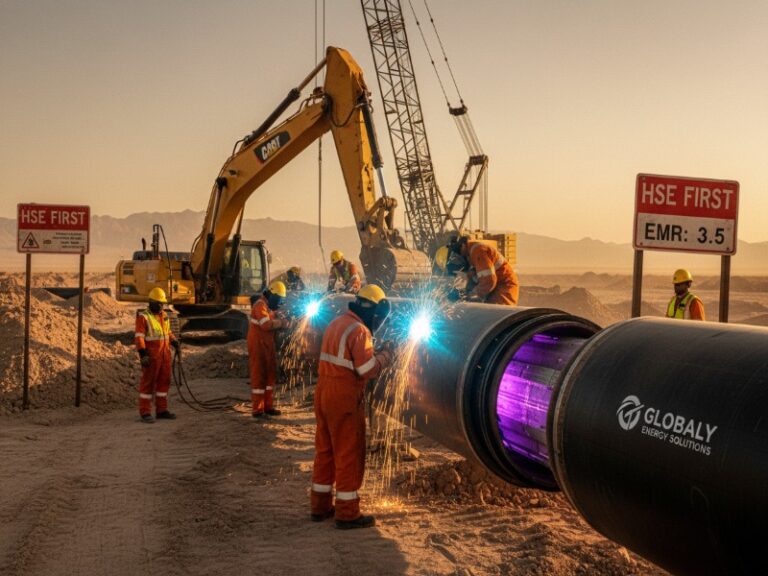
Choosing a reliable pipeline rehabilitation contractor requires verifying three critical credentials: NASSCO PACP certification (technician ID, not just company logo), an EMR safety score below 1.0, and a transferable warranty of 10–25 years covering both materials and workmanship.
For most municipal and industrial projects (pipe diameters 6–84 inches), you should also demand a lifecycle cost analysis comparing CIPP (Cured-in-Place Pipe) against open-cut replacement. This 7-step framework helps you avoid costly contractor mistakes.
1. Verify NASSCO Certification First
Always verify NASSCO PACP certification using the technician’s ID number—not just the company logo.
NASSCO PACP standardizes defect coding. Without it, inspection results are subjective and cannot be objectively compared across bids. PACP forces contractors to use a universal coding system (e.g., “CL-4” for a longitudinal crack grade 4). This consistency allows you to compare bids objectively and prioritize repairs based on severity grades 1 through 5.
Pipeline Contractor Audit Checklist (Start Here)
Before requesting a quote, run this quick filter:
- PACP certification: Valid for the technician (ask for their ID number)
- EMR ≤ 1.0: Below 0.8 is excellent
- 5+ similar projects: Same diameter (6–84 inches) and pipe material
- Bonding capacity: Covers 100% of your project value
- CCTV before pricing: Contractor refuses to bid without seeing the pipe first
If a contractor fails any of these five items, remove them from your shortlist immediately.
2. Audit Safety Records Before Accepting a Bid
Require an EMR ≤ 1.0. Contractors with EMR below 0.8 typically have excellent safety discipline and better quality control.
Insurance companies calculate EMR based on past claims. A reliable sewer lining contractor will share this data without hesitation. Our analysis of 120+ municipal RFQs shows that 92% of cities now mandate EMR reporting as a minimum qualification.
Red Flags That Should Disqualify a Contractor
- “We don’t share EMR data.” → Unacceptable. Move on.
- “Our price is final without an inspection.” → Guarantees change orders later.
- “We offer a 1-year warranty.” → Signals low confidence in their own CIPP liner.
A pipeline inspection contractor who refuses transparency on safety metrics is hiding a poor track record.
3. Understand CIPP vs Open-Cut Replacement
CIPP rehabilitation is usually 56% more cost-effective than open-cut excavation for pipes between 6 and 60 inches when you factor in traffic disruption and restoration costs.
Open-cut means digging a trench to replace the pipe. CIPP means inserting a resin-saturated liner and curing it inside the existing pipe. A reliable trenchless pipe repair company will provide a comparison table like this:
| Característica | Open-Cut (Excavation) | Rehabilitación mediante CIPP |
|---|---|---|
| Initial cost | High (digging, hauling, paving) | Moderate (liner, resin, bypass pumping) |
| Project duration | Weeks to months | Días |
| Disruption | Traffic closures, business loss | Minimal (access via manholes) |
| Esperanza de vida | Más de 50 años | 50+ years (epoxy systems) |
| Ideal para | Collapsed pipes, shallow depth | Gravity sewers, storm drains |
Verdict for facility managers: Unless the pipe has completely collapsed, CIPP is almost always the better financial decision over a 50-year horizon. When comparing CIPP cost per foot against excavation, trenchless methods typically save 30–50% on total project cost.
4. Evaluate Warranty Terms Like a Procurement Professional
A reliable contractor should offer a minimum 10–25 year warranty covering both materials and workmanship, with transferability to new owners.
An epoxy or CIPP liner is designed to last 50 years. If a contractor trusts their installation process, they will warranty their work for at least a decade. A short warranty suggests they expect the liner to fail early due to poor curing or resin mixing.
What a Good Warranty Must Include
- Materials AND workmanship: Some contracts cover only the liner (not the installation)
- Transferability: If you sell the building, the warranty should transfer (adds asset value)
- No pro-rating: A reliable contractor covers full repair costs, not depreciated value
A how to choose CIPP contractor guide should always put warranty terms in the top three evaluation criteria.
5. Compare UV Curing vs Hot Water Curing Methods
Prefer UV curing for consistent results. It cures in minutes (not hours) and reduces the risk of under-curing, which is a common cause of premature liner failure.
Hot water curing is the traditional method. It works, but it takes longer and produces wastewater. UV curing uses a light train to harden the resin instantly. It provides harder, more uniform results.
Question to Ask Shortlisted Contractors
“Do you provide the lumen intensity logs from your UV curing rig?”
A professional pipeline rehabilitation contractor will say “yes” and show you the data. An amateur will not understand the question.
6. Analyze True Costs: CIPP Cost Per Foot vs Excavation
CIPP rehabilitation typically costs 50–70% less than open-cut replacement when you include restoration, traffic control, and environmental impact.
Do not look only at the contractor’s bid. Look at the lifecycle cost analysis (LCCA) . A reliable contractor will provide this for free.
Hidden Costs to Track
| Categoría de costes | A cielo abierto | CIPP |
|---|---|---|
| Traffic detour signs | Alta | $0 (no surface disruption) |
| Rehabilitación del pavimento | Very High | $0 |
| Business interruption claims | Possible | Unlikely |
| Bypass pumping | Moderado | Moderado |
| Permit fees | Higher (longer duration) | Baja |
7. Apply the Final Contractor Selection Matrix
Create a weighted scorecard. Give 40% weight to certification/safety (EMR & PACP), 30% to warranty terms (10+ years), and 30% to relevant experience (your pipe diameter).
Printable Vetting Scorecard
| Criterios | Weight | Contractor A | Contractor B |
|---|---|---|---|
| NASSCO PACP verified (Yes=10, No=0) | 20% | ___ | ___ |
| EMR < 1.0 (Yes=10, No=0) | 20% | ___ | ___ |
| Warranty ≥ 10 years (Yes=10, No=0) | 20% | ___ | ___ |
| 5+ similar diameter projects | 15% | ___ | ___ |
| UV curing available | 10% | ___ | ___ |
| Fixed bid after CCTV inspection | 15% | ___ | ___ |
| Total Score | 100% | ___ | ___ |
Scoring rule: If any answer is “No” for PACP verification, EMR, or warranty length, disqualify the contractor immediately regardless of other scores.
How to Choose a Reliable Pipeline Rehabilitation Contractor
To choose a reliable pipeline rehabilitation contractor, prioritize NASSCO-certified technicians, demand EMR data below 1.0, and negotiate a transferable warranty of 10–25 years. Always compare CIPP against open-cut using a lifecycle cost model, and favor contractors who use UV curing technology for consistent, verifiable results.
By moving away from “lowest bid” thinking and using this 7-step checklist, you will select a trenchless partner who delivers a 50-year asset, not a 5-year problem.







 English
  Arabic
  Russian
  Spanish
  French
  Vietnamese
  Polish
  Thai
Thai  Indonesian
  Turkish
  Portuguese