Heavy-duty yellow pipeline isolation line plugs for hot tap equipment arranged in rows on a factory floor in an industrial manufacturing facility.

Which companies manufacture DNV Type Approved pipeline isolation plugs?

The primary manufacturer of DNV Type Approved pipeline isolation plugs is STATS Group, a global leader in pressurised pipeline isolation, hot tapping, and plugging services for the energy industry. This guide provides a comprehensive overview of these critical safety devices, explaining what they are, why DNV certification matters, the specific technologies involved, and how they are applied

Read More »
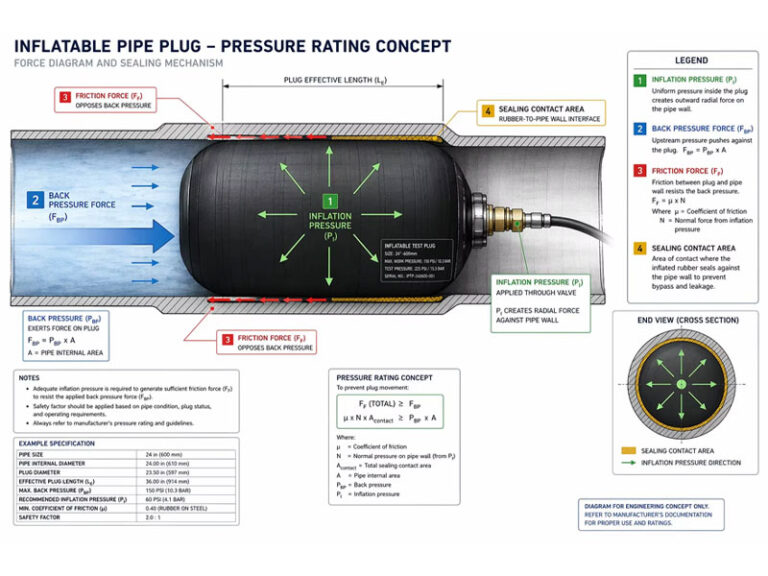
A technical diagram showing an inflatable orange pipeline plug bladder inserted into a pipeline wall, labeled with dimensions including a 35.25-inch internal diameter and a 72-inch plug length.

How to choose the right pipe plug size for a 36-inch gas pipeline?

Selecting the correct pipe plug size for a 36-inch gas pipeline requires matching the plug’s nominal diameter to the pipe’s internal diameter, verifying pressure ratings against operating conditions, and selecting the appropriate plug type based on whether you need isolation for maintenance, testing, or permanent stoppage. The selection process involves

Read More »
A collection of industrial modular pipe seals in various sizes, featuring silver metallic outer rings with bolts and thick black rubber gaskets for watertight sealing.

What are the pros and cons of aluminum vs. steel pipeline plugs?

Aluminum pipeline plugs offer significant weight savings (up to 70% lighter) and excellent corrosion resistance for low-to-medium pressure applications, while steel pipeline plugs provide superior strength and durability for high-pressure, heavy-duty operations and extreme temperatures. Choosing the right material for pipeline isolation is critical for safety, efficiency, and cost. Whether

Read More »
A heavy-duty red industrial steel pipeline plug with a bolted flange design, specifically engineered for high-temperature pipeline isolation and hot tapping maintenance.

Which pipeline plug manufacturer offers the best solution for high-temperature applications?

The optimal pipeline plug manufacturer for high-temperature applications is one that provides material-specific engineering data, such as continuous operating temperature ratings verified by ASTM standards, and offers customizable sealing elements (like Viton or Silicone) capable of withstanding sustained heat above 200°C (392°F). Choosing the right partner involves evaluating not just

Read More »
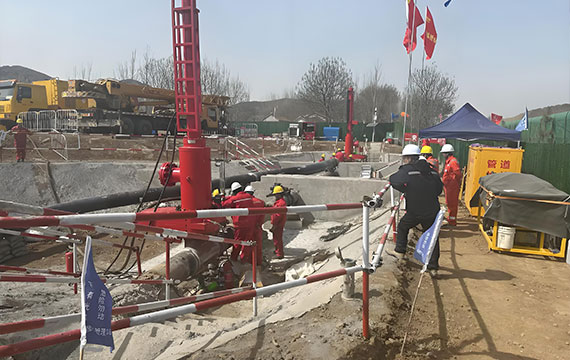
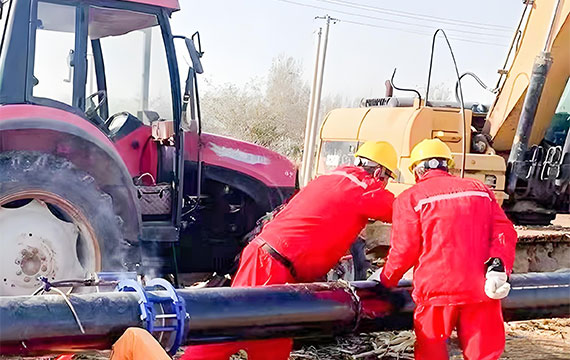
Industrial workers in red safety uniforms and hard hats operating a red JSW hot tapping machine for pipeline maintenance at an excavation site.

What Are the Physical Limits of Hot Tapping? Maximum Pressure, Temperature, and Material Constraints

Hot tapping, also known as pressure tapping or live tapping, is physically limited to a maximum operating pressure of approximately 2,200 psi and a temperature range between -50°F (-45°C) and 700°F (371°C) , though these limits are strictly dependent on pipe metallurgy, wall thickness, and the specifications of the equipment manufacturer. While these parameters represent

Read More »
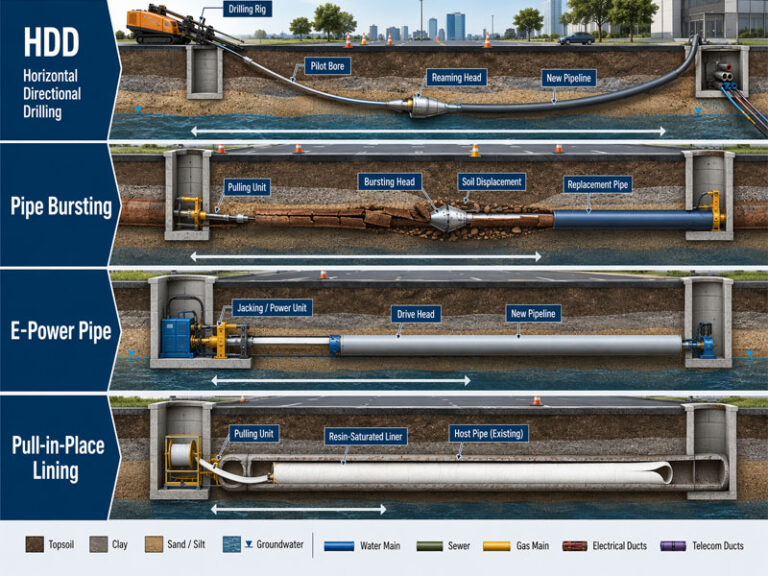
Engineering infographic comparing pulling-distance concepts for HDD, pipe bursting, E-Power Pipe, and pull-in-place lining in underground pipelines

Maximum Distance a Pipe Can Be Pulled Using Trenchless Methods: HDD Pull Length, Pipe Bursting & Lining Limits

The maximum distance a pipe can be pulled using trenchless methods ranges from approximately 50 meters to more than 3,000 meters, depending on the installation technology, pipe characteristics, ground conditions, and equipment limitations. For new pipeline construction, Horizontal Directional Drilling (HDD) typically achieves 200–800 meters per pull. For pipeline rehabilitation, specialized

Read More »
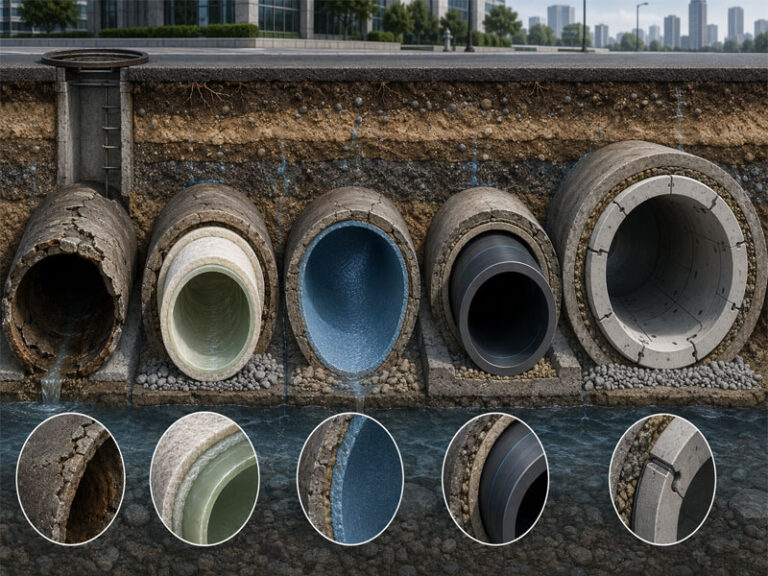
Engineering cutaway illustration comparing CIPP resin liners, spray-applied polyurea, HDPE sliplining, and UHPC structural lining segments in underground sewer pipes.

Best Trenchless Pipe Rehabilitation Materials: CIPP, Polyurea, HDPE Comparison

Best Materials for Trenchless Pipe Rehabilitation The most widely used and effective materials for trenchless pipe rehabilitation are thermosetting resin systems—specifically epoxy, polyester, and vinyl ester—combined with reinforcement fabrics such as fiberglass or polyester felt. For most municipal sewer rehabilitation projects, polyester CIPP offers the best cost-to-performance balance, while epoxy CIPP is preferred for pipes

Read More »